

How to Build Your Own Laptop: Custom Options for Business Buyers
Post Author:
GetMi Team
Date Posted:
May 29, 2026
Share This:
Standard laptops are built for broad demand, but business projects often need more control over performance, software, branding and long-term supply. For business buyers, building your own laptop does not usually mean assembling components by hand. It means creating a custom laptop solution that fits deployment, resale or industry requirements.
Why Do Business Buyers Choose Custom Laptops?
A standard laptop may work for individual office tasks, but business purchasing often involves broader requirements. Companies may need devices that support specific software, follow a consistent deployment plan, carry their own branding or remain manageable across repeated orders.
Tailored Performance for Specific Workloads
Different business environments place different demands on a laptop. Office teams may prioritize stable performance, video conferencing and common ports, while design, engineering or data-heavy work may need stronger processors, more memory and larger storage. Education, retail and mobile workforce projects may focus more on battery life, touch capability, cameras or portability.
Better Cost Control for Bulk Orders
For bulk purchasing, cost control is not only about choosing the lowest-priced laptop. Buyers need the right performance, ports, software and physical features without adding unnecessary specifications across an entire order. Customization helps define a focused configuration and compare pricing against order volume, packaging, certification needs and customization scope.
Improved Security and Compliance Options
For bulk purchasing, cost control is not only about choosing the lowest-priced laptop. Buyers need the right performance, ports, software and physical features without adding unnecessary specifications across an entire order. Customization helps define a focused configuration and compare pricing against order volume, packaging, certification needs and customization scope.
Long-Term Scalability and Standardization
A consistent laptop specification can make repeated purchasing and internal deployment easier to manage. IT teams can work with a more stable operating system image, driver environment, accessory setup and support process. Buyers should also confirm component continuity, replacement planning, warranty support and the expected product lifecycle. 
Key Components You Can Customize in a Laptop
Business buyers can define a custom laptop around performance, mobility, deployment and branding needs. Available custom laptop options may vary by product platform, order volume and project requirements, so buyers should confirm supported specifications before finalizing an order.
| Customization Area | Typical Requirements to Discuss | What Buyers Should Confirm |
| Performance Configuration | Processor, memory, SSD capacity and optional graphics performance | Whether the configuration can support the intended software, multitasking level and workload demands |
| Display and Input Options | Screen size, resolution, touch capability, keyboard layout, backlight and number pad | Whether the device suits mobile work, desk-based use, presentations or regional market requirements |
| Mobility and Connectivity | Battery capacity, device weight, USB-C, HDMI, Ethernet, Wi-Fi and Bluetooth | Whether employees can connect to existing monitors, docks, networks and field equipment |
| System and Deployment Setup | Operating system, language settings, drivers and permitted pre-installed applications | Whether the device fits existing IT deployment, software licensing and management requirements |
| Exterior and Brand Customization | Logo, casing finish, packaging and boot-screen branding | Whether the design supports corporate deployment, resale or private-label positioning |
Recommended Configurations for Different Business Uses
The right laptop configuration depends on how the devices will be used after delivery. Business buyers should begin with the main workload, deployment environment and purchasing scale, then confirm whether the selected specification can be produced consistently for the planned order.
| Business Scenario | Recommended Configuration Focus | Purchasing Consideration |
| Office Productivity and Remote Work | Mid-range processor, 16GB RAM, 512GB SSD and lightweight design | Prioritize stable daily performance, battery life, webcam quality and connectivity. |
| Creative Work and Content Production | Higher-performance processor, 16GB–32GB RAM, larger SSD and suitable graphics capability | Focus on display quality, graphics requirements and storage capacity. |
| Development and Data Analysis | Higher-performance processor, larger memory capacity and 1TB SSD where local workloads require it | Confirm multitasking needs, local testing environments and project-file storage requirements. |
| Industrial or Specialized Use | Touch display, required ports, suitable enclosure design and project-specific software setup | Confirm operating environment, peripheral compatibility and deployment requirements before production. |
How to Build Your Own Laptop for Business Use Step by Step
For business buyers, building a laptop means turning operational needs into a confirmed product specification, choosing the right level of customization and validating the result before committing to volume production.
Define Business Needs and Budget Clearly
Start by defining how the laptops will be used, who will use them and how many units may be required. Office deployment, resale, field work and demanding business software all require different priorities. Buyers should confirm the main workload, estimated quantity, target market and budget range early to avoid underpowered or unnecessarily expensive specifications.
Confirm Hardware, Software and Branding Requirements
After the use case is clear, convert it into a written specification sheet for supplier review. This may include processor, memory, storage, screen size, touch capability, battery, ports, operating system, language settings, drivers, pre-installed software, logo, casing, packaging and boot-screen requirements. Buyers should confirm supported options, licensing rules and market requirements before final quotation.
The following checklist helps buyers organize requirements before requesting a sample or formal quotation:
- Intended business use and user group
- Estimated order quantity and budget range
- Required hardware configuration and connectivity
- Operating system, language and software setup requirements
- Logo, casing, packaging or private-label requirements
- Target delivery or resale market
- Required warranty, support and certification documentation
A complete requirement list gives both the buyer and manufacturer a clear basis for quotation, sample evaluation and production approval.
Choose a Suitable OEM, ODM or White-Label Model
The appropriate cooperation model depends on how much control the buyer needs over the final laptop. Buyers comparing OEM and ODM laptop manufacturing should also evaluate white-label options before confirming the project scope.
White-label projects are usually based on existing devices with limited branding changes. OEM projects follow buyer specifications, while ODM projects adapt an existing manufacturer-developed design for a more tailored product plan.
Because service scope can vary by supplier, buyers should confirm the included customization, software support and certification services before moving forward.
| Cooperation Model | Typical Project Focus | Suitable Buyer Situation | Key Point to Confirm |
| White-Label | Existing model with branding, packaging or limited configuration adjustments | Buyers seeking a faster private-label or resale option with fewer product changes | Confirm available configurations, branding scope and order requirements. |
| OEM | Production based on an agreed business specification and branding plan | Buyers that already know the required configuration and market positioning | Confirm which specifications can be produced consistently at the planned volume. |
| ODM | Manufacturer-developed platform adapted for a buyer’s product direction | Buyers requiring a more differentiated solution based on an available product platform | Confirm development scope, tooling needs, testing responsibilities and ownership terms. |
Choosing the model early helps buyers align the project with budget, customization depth and launch expectations. The decision should be based on documented deliverables rather than the cooperation label alone, because actual service scope may differ by manufacturer.
Approve Samples Before Starting Mass Production
A sample helps buyers verify the laptop before bulk production begins. Hardware configuration, display, keyboard, ports, operating system, branding, packaging and accessories should all be checked against the approved specification. Compatibility testing with existing software, docks, monitors or deployment systems should also be completed before approval.
Sample approval is not only a visual review. It is the stage where buyers confirm that the configuration, branding and deployment requirements are suitable for volume production.
Why Choose GetMi for Custom Laptop Projects?
A custom laptop project needs more than selectable specifications. Business buyers also need manufacturing support that can connect product requirements with branded delivery, production consistency and documentation for target markets.
19 Years of OEM and ODM Experience
GetMi supports custom laptop projects for brands, distributors and enterprise buyers through OEM and ODM manufacturing services. Its laptop solutions are developed around commercial requirements such as configuration selection, branded presentation and product positioning for business or resale markets. This experience can support buyers who need a more defined product solution than standard retail laptops can provide.
End-to-End Custom Laptop Development Support
GetMi supports customization across hardware, software and product presentation requirements. Buyers can discuss CPU, RAM, storage, screen configuration, battery, keyboard language, operating system setup, pre-installed applications, logo placement and packaging design. This allows the laptop project to align with both deployment needs and brand presentation.
Reliable Mass Production and Strict Quality Control
Production consistency becomes more important once a custom laptop project enters bulk manufacturing. GetMi operates a 3,500㎡ dust-free workshop and applies quality control across materials, assembly and finished products through multiple inspection procedures. These processes help support stable product quality, functionality and delivery consistency across larger orders.
Customization, Samples and Order Details Buyers Should Confirm
GetMi supports customization for hardware configuration, logo and packaging design, system language, start screen settings, pre-installed applications and keyboard language options. GetMi also provides sample support, low-MOQ solutions and production coordination for different business purchasing needs.
Before placing an order, buyers should confirm the supported customization scope, operating system availability, MOQ, sample schedule, certification documents and whether the approved configuration can remain consistent for repeat orders.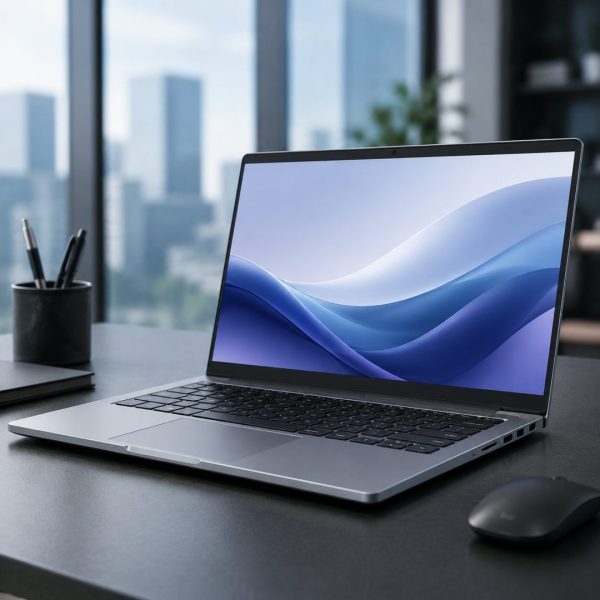
What Should You Check Before Ordering Custom Laptops in Bulk?
Before committing to a bulk laptop order, business buyers need to confirm not only what the devices include, but also whether the order can be deployed, supported and replenished with acceptable cost and operational risk.
Balance Specifications, MOQ and Bulk Pricing
A bulk order should match actual business requirements without adding unnecessary cost. Buyers should compare processor level, memory, storage, display, ports, operating system setup and branding scope against MOQ and quoted pricing. Sample fees, customization costs, packaging and final pricing should also be confirmed before approval.
Confirm Compatibility with Existing IT Infrastructure
Custom laptops should work smoothly within the buyer’s existing technology environment. Before ordering, buyers should confirm compatibility with operating systems, internal software, security tools, device management platforms, docks, monitors, wired networks and other essential peripherals. This helps reduce deployment issues after delivery.
Review Warranty, Support and Product Lifecycle
Business buyers may need to support the same laptop model across multiple teams or repeat orders. Warranty coverage, repair procedures, spare-part availability and technical support arrangements should be reviewed before production. Buyers should also confirm whether the approved configuration can remain available for future purchasing plans.
Verify Lead Times and Supply Chain Reliability
Delivery timing is important for employee onboarding, channel launches, education projects and seasonal sales plans. Buyers should confirm sample timelines, production schedules, inspection procedures and shipment arrangements before placing an order. For repeat projects, it is also important to confirm whether the same configuration can be reproduced consistently over time.
FAQ
These common questions can help business buyers clarify the scope, cost and practical fit of a custom laptop project before requesting a quotation.
Can You Really Build Your Own Laptop Like a Desktop PC?
Not in the same way as a desktop PC. Laptops rely on closely integrated chassis, motherboards, cooling systems, displays and batteries. For business buyers, building a laptop usually means selecting supported configurations, software settings and branding options through an OEM, ODM or white-label project.
Are Custom Laptops More Expensive Than Prebuilt Ones?
Not always. The final price depends on the configuration, customization scope, order quantity, packaging requirements and any documentation or testing needs. A focused business configuration may help buyers avoid paying for unnecessary features, but the actual cost should be confirmed through a project quotation.
What Is the Minimum Order for Business Custom Laptops?
The minimum order quantity depends on the laptop model and the level of customization required. Configuration changes, logo branding, packaging design or deeper product adjustments may involve different order requirements. Business buyers can submit their target specifications and estimated quantity to GetMi for confirmation.
How Long Does It Take to Receive Custom-Built Laptops?
The delivery timeline varies according to the selected model, customization requirements, sample approval, production schedule and shipping destination. Buyers planning around a product launch, employee deployment or resale schedule should confirm the expected timeline before finalizing an order.
Are Modular Laptops a Good Choice for Businesses?
Modular laptops may suit organizations that prioritize repairability or selected component upgrades. For businesses focused on standardized bulk deployment, branded products or consistent resale supply, an OEM, ODM or white-label laptop project may offer a more suitable purchasing route, depending on the required specifications and support plan.
Conclusion
A successful custom laptop project starts with clear business requirements and a practical purchasing plan. Before mass production begins, buyers should confirm the required configuration, customization scope and delivery expectations.
For businesses exploring custom laptops for deployment, resale or private-label projects, GetMi can support configuration planning, branding discussion and production evaluation based on project needs.