

How to Build a Tablet Computer: Custom Tablets for Business
Post Author:
GetMI Team
Date Posted:
June 4, 2026
Share This:
Businesses buying tablets in volume often need more than a standard consumer device. A custom tablet computer can align hardware, operating system setup, branding, and packaging with a defined deployment or resale plan. This article explains how business buyers specify, test, and source tablet solutions for practical commercial use.
Why Do Businesses Need Custom Tablet Computers?
Custom tablets are most useful when standard devices cannot meet required workflows, software environments, connection needs, or branding plans.
Better Fit for Industry Workflows
Retail counters, warehouses, classrooms, field teams, and service environments may require different screen sizes, protective designs, ports, cameras, or wireless functions. A custom tablet project allows buyers to define the features that support daily tasks instead of adapting operations around a fixed consumer device.
More Control Over Hardware Specifications
Business buyers can compare processor, memory, storage, display, battery, and connectivity requirements against the intended workload. A basic deployment may prioritize cost and stable daily use, while mobile or application-heavy work may require higher battery capacity, more memory, or additional connection options. Final configuration availability depends on the selected platform and order scope.
Easier Software and System Deployment
A custom tablet can be prepared with an agreed operating system, required applications, language settings, branding assets, and deployment requirements before shipment. This can reduce setup work for teams managing multiple devices, provided the software image, permissions, updates, and security responsibilities are confirmed before production.
Stronger Branding for Resale Channels
Businesses selling tablets under their own brand may need logo placement, customized packaging, branded startup assets, or consistent exterior styling. These options help create a more consistent product presentation for distributors, resellers, education projects, and enterprise procurement programs.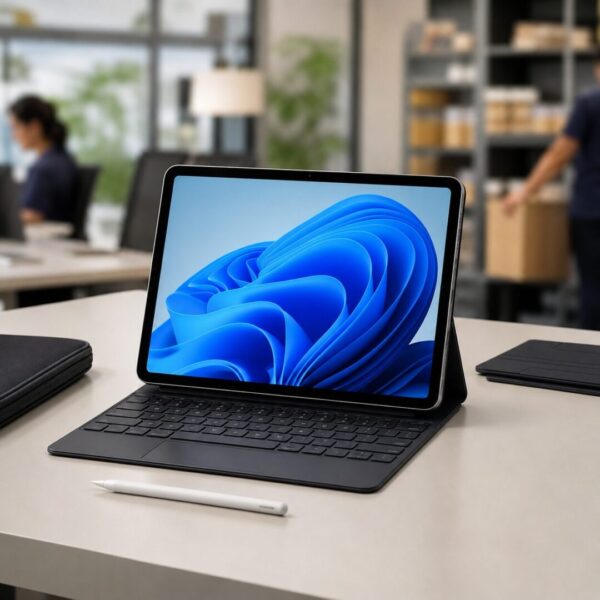
What Components Can You Customize in a Tablet Computer?
The right customization scope starts with the functions the tablet must perform, not with adding unnecessary specifications.
Screen, Touch Panel, and Exterior Branding
Screen size, resolution, brightness, touch response, housing finish, logo placement, and packaging can be considered according to the deployment environment. Outdoor work may require better visibility, while retail or education projects may prioritize responsive touch controls and protective housing. Buyers should confirm which display and exterior options are supported by the selected model.
Performance, Battery, and Charging Specifications
Processor, RAM, storage, battery capacity, and charging method should be selected around workload and daily operating time. Devices used for document access or basic applications may need different configurations from tablets running multiple business apps or supporting long mobile shifts. Battery performance must be tested under the expected application load, brightness, network connection, and charging conditions.
Camera, Ports, and Wireless Connectivity
Cameras, USB ports, card slots, audio connections, Wi-Fi, Bluetooth, and cellular modules may be important for scanning, documentation, peripheral connection, mobile communication, or field data access. Buyers should list every required accessory and network condition before confirming the design, because port layout and wireless support can vary by model and market.
Operating System and Software Compatibility
Tablets may be configured with Android, Windows, or customized firmware, depending on the selected platform and project requirements. Buyers should confirm application compatibility, licensing, device management, update procedures, and testing requirements before production.
How to Build a Tablet Computer for Business Use
A custom tablet project should move from operational requirements to testing and production approval in a controlled sequence.
Define Use Cases and Device Requirements
Start by documenting where the tablet will be used, which tasks it must support, which applications it must run, and which environmental conditions it may face. This specification should cover display needs, performance, battery expectations, ports, wireless connection, branding, accessories, packaging, and target sales regions, similar to approaches used in building a custom tablet PC
Choose Operating System and Pre-Installed Software
The operating system should match required applications, security policies, peripheral compatibility, and IT management processes. Buyers should also confirm whether the factory will provide only system installation or a complete approved software image with applications, language settings, account configuration, and deployment instructions.
Review Prototypes and Complete Product Testing
Prototype approval should cover more than appearance. Buyers should test boot performance, application compatibility, touch response, battery runtime under intended use, charging, cameras, wireless stability, ports, accessories, branding quality, packaging, and any required environmental or durability expectations. Written approval criteria help prevent specification changes after production begins.
Confirm Production, Delivery, and Support
Before placing a bulk order, confirm the approved specification, bill of materials where available, production quantity, lead time, inspection process, packaging, shipping terms, warranty scope, spare-part support, and handling of defective units. Exact production and delivery commitments should be documented in the commercial agreement.
What Are the Best Custom Tablet Solutions by Business Scenario?
The right tablet solution depends on the tasks, environment, software, and support requirements of each deployment.
Tablets for Education and Office Deployment
Education and office projects often prioritize simple deployment, comfortable viewing, stable daily performance, protective accessories, and pre-installed learning or productivity software. Buyers may also need centralized configuration, branded packaging, keyboard compatibility, or standardized device settings for multiple locations.
Tablets for Retail and Logistics Operations
Retail and logistics deployments may require fast touch response, scanner or peripheral compatibility, stable wireless connections, long operating shifts, and durable housings. POS, inventory, barcode, and dispatch workflows should be tested with the actual software and accessories before production approval.
Tablets for Healthcare and Field Service
Healthcare and field service environments may require portable devices, reliable connectivity, camera-based documentation, secure access controls, and practical battery performance. A tablet alone does not establish healthcare privacy compliance. Organizations handling electronic health information must assess the required administrative, physical, and technical safeguards for their deployment.
Business Scenario Table
| Scenario | Key Tablet Requirements | Customization Focus |
|---|---|---|
| Education | Simple operation, protective design, consistent setup | Apps, housing, keyboard support, device configuration |
| Retail and POS | Responsive touch, peripheral connection, stable network | Ports, wireless modules, branding, POS compatibility |
| Healthcare and Field Service | Mobility, secure access, reliable connectivity | Battery, camera, security setup, deployment controls |
| Warehousing and Logistics | Repeated daily use, scanning support, connection stability | Ports, wireless options, protective housing |
| Enterprise Office | Documents, meetings, shared deployment | Display, accessories, productivity software |
Why Choose GetMi for Custom Tablet Computer Solutions?
GetMi supports business buyers seeking customized tablet products for wholesale, brand deployment, or commercial projects.
End-to-End OEM and ODM Support for Tablet Projects
At GetMi, we support OEM and ODM tablet projects that can include requirement confirmation, product configuration, sampling, branding, packaging, production, and delivery planning. The project scope should be confirmed according to the selected tablet platform and required level of customization.
Hardware, Software, Branding, and Packaging Customization
GetMi’s published tablet content describes customization directions that include processor, memory, storage, display, connectivity, operating system setup, applications, logo branding, and packaging. Buyers should confirm the options available for the chosen model before finalizing specifications and quotation.
Structured Quality Control and Certification Support
At GetMi, we adhere to ISO9001, CE, FCC, and RoHS certifications. Buyers should request documentation applicable to the selected tablet model, configuration, wireless functions, and target market before placing bulk orders.
Sampling and Bulk Production Support for Business Buyers
We offer samples so buyers can verify hardware, software, branding, packaging, accessories, and workflow compatibility before bulk production. Sample support and bulk OEM/ODM orders are available, with MOQ and lead time set according to the model and project requirements.
Manufacturing Experience and Global Project Track Record
With 19 years of manufacturing experience, GetMi delivers customized device solutions for business buyers. Clients with regional compliance, large-volume needs, or specialized deployments can request production, testing, and project documentation to support sourcing and verification.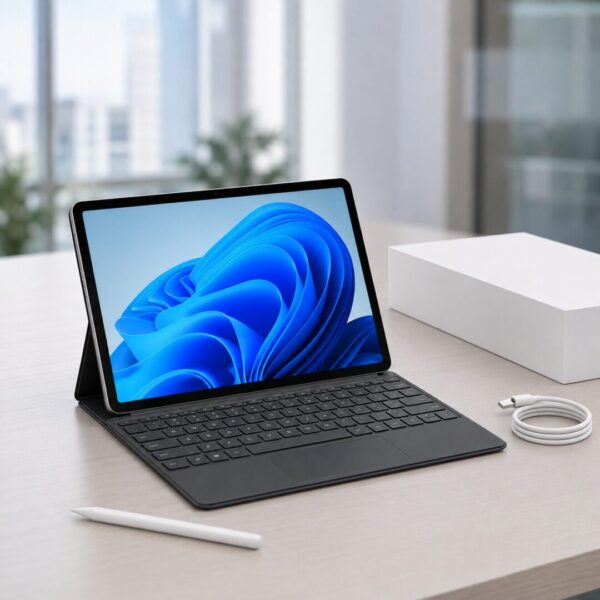
FAQ
Custom tablet projects often involve practical questions about specifications, operating systems, project timelines, and order requirements. The following answers cover these common concerns and provide a clearer view of the sampling, production, and purchasing process.
What tablet specifications should businesses customize first?
Start with the specifications that affect daily operation: operating system compatibility, processor and memory requirements, storage, display, battery expectations, required ports, wireless connection, and accessories. Branding and packaging should be confirmed after the working device specification is stable.
What Is the Difference Between OEM and ODM Tablets?
OEM and ODM project scopes can vary by manufacturer. In general, OEM projects are based on buyer-defined requirements, while ODM projects usually begin with a manufacturer-developed platform that can be adapted for branding, configuration, or software needs. Buyers should confirm which changes, tooling, testing, and ownership terms are included in the quotation.
What Operating Systems Can Custom Tablets Support?
Custom tablets can be preloaded with Android, Windows, or customized firmware. The final operating system should be chosen based on the device model, required applications, licensing, regional regulations, and deployment needs.
How Long Does a Custom Tablet Project Take?
Project timelines vary depending on configuration, branding, software setup, sample testing, compliance documentation, order quantity, and shipping. Buyers are advised to request a written schedule covering specification approval, sampling, testing, production, inspection, and delivery.
What Is the MOQ for Custom Tablet Computers?
MOQ varies by tablet platform, customization scope, logo and packaging requirements, software setup, and production plan. GetMi’s published content indicates that MOQ should be confirmed according to the specific model and configuration. Buyers should request an exact MOQ and price breakdown before starting the project.
Conclusion
Custom tablets allow businesses to align hardware, software, branding, and deployment with specific commercial needs. Key steps include defining clear requirements, testing representative samples, verifying market documentation, and confirming production and support terms before bulk orders. OEM and ODM projects can leverage full customization across hardware, software, branding, and packaging, with final specifications, compliance, MOQ, lead time, and support confirmed for each project prior to production.